Knitting and Spinning and Sheep, Oh My!
Wisconsin Sheep and Wool Festival, September 2026
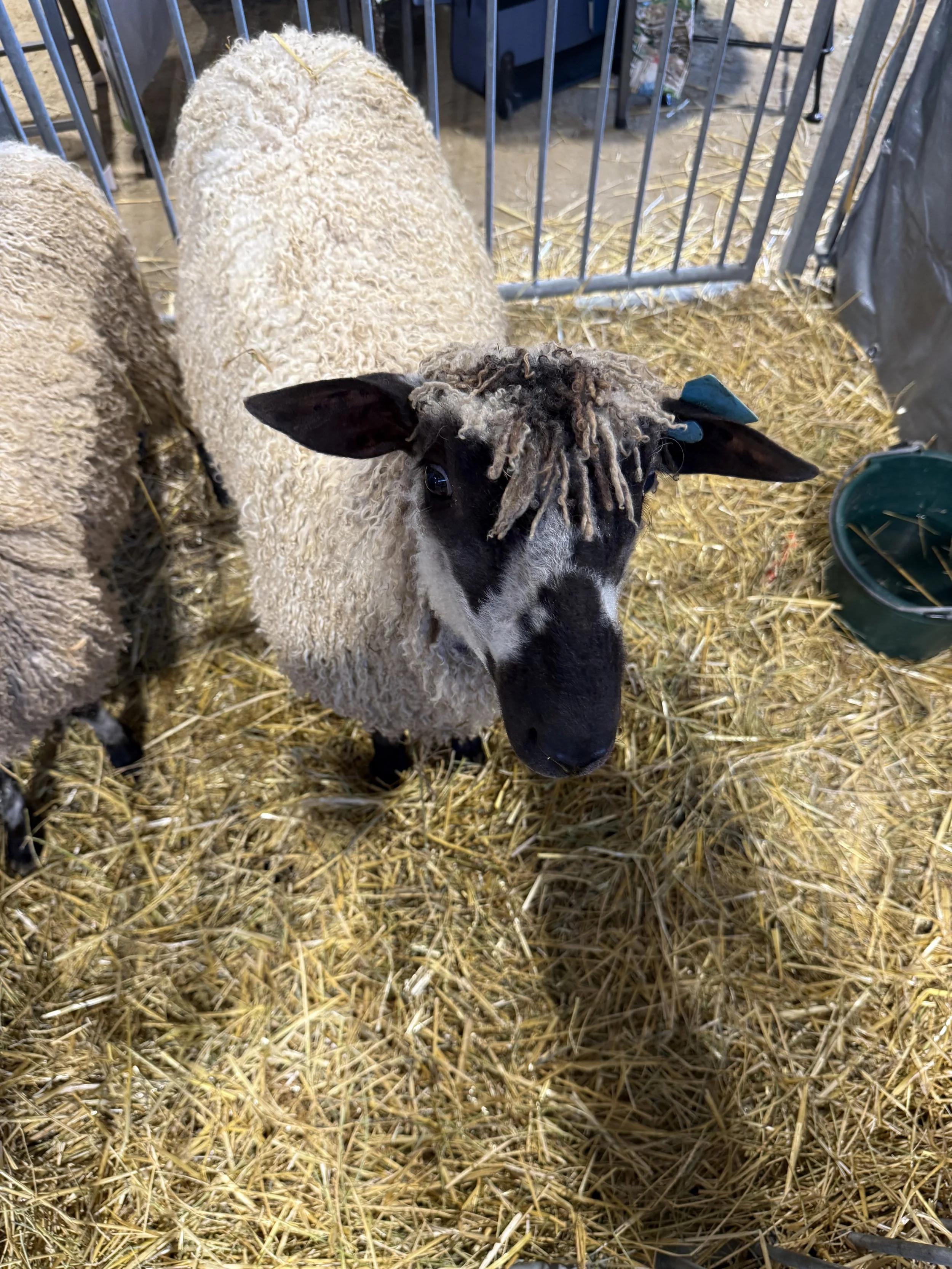
A gorgeous teeswater sheep in the Hall of Breeds
Sheep and wool festivals are a magnet for knitters, crocheters, weavers, handspinners, and felters looking for high-quality, locally sourced wool. Not only is there a huge market of fiber arts vendors, there is also a wide range of crafting classes, shearing and herding demonstrations, and of course, sheep!
I spent the weekend attending the free Producer Education classes, which are a true education in everything related to raising sheep. I learned about several different breeds, including Shetland, Coopworth, Gotland, and Finn.
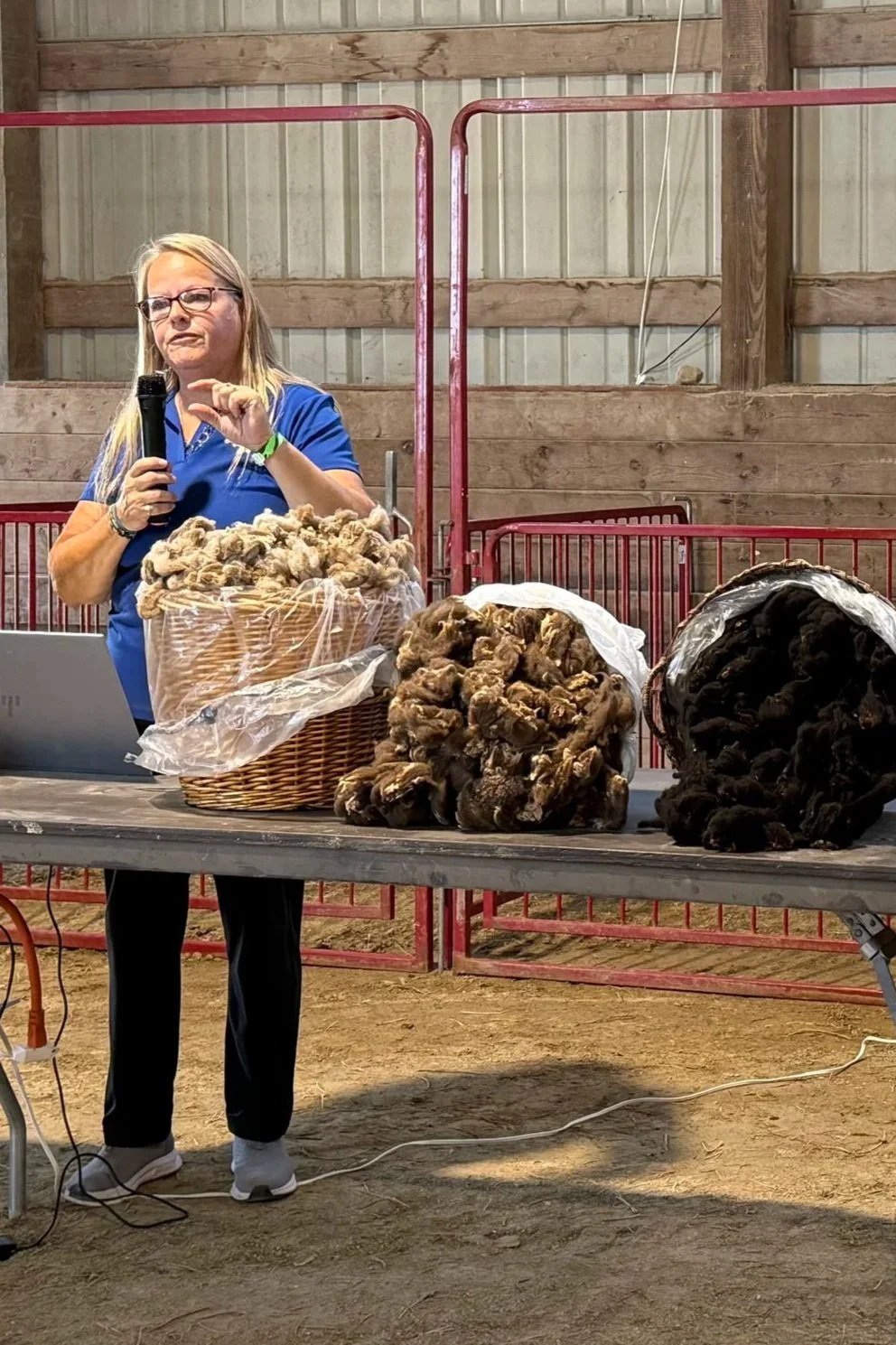
Kelly Bartels of OK Acres Farm explains the rooing process
The farmers who taught each class shared the pros and cons of raising their breed. Heidi Q. from Prairie Willows Farm expressed her love for Finn sheep’s calmness compared to other breeds. She also taught us about pasture management and pasture breeding. Kelly Bartels from OK Acres Farm shared her knowledge about Shetland sheep. I was fascinated to learn that Shetlands can still roo—which is the natural process by which sheep shed their wool before humans were there to shear them. I bought a rooed fleece from her, since I have never spun one before. I have been told that they are easier to spin since the wool doesn’t have a cut end.
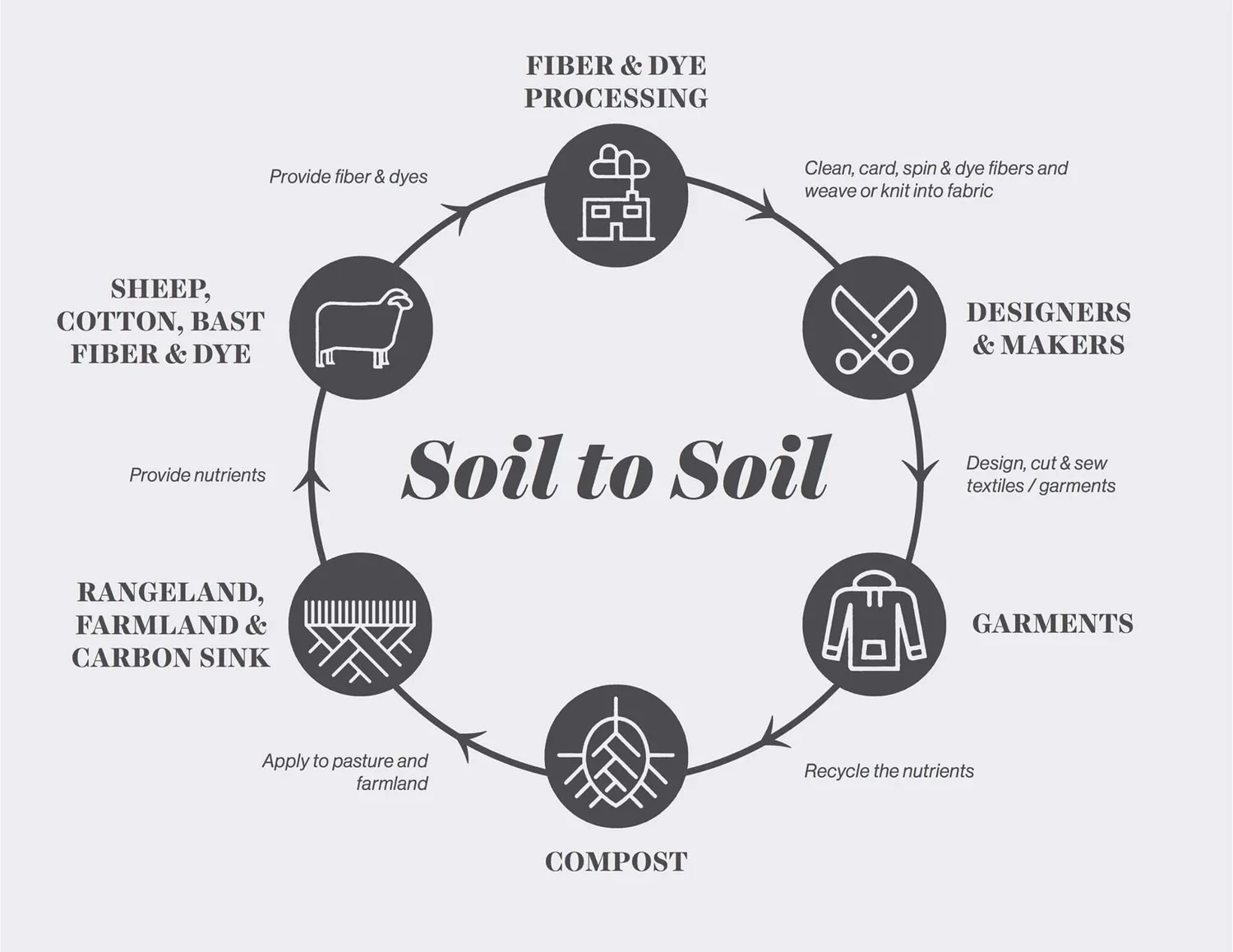
Soil to Soil illustration by Andrew Plotsky, www.threeriversfibershed.com
I became interested in wool processing last year after reading the book Fibershed, which presents a new model for the textile industry that prioritizes a Soil-to-Soil lifecycle for clothes, as well as localized production. There are plenty of natural fibers to work with, however, due to fast fashion and the globalization of the textile industry, there are not enough mills in the U.S. to process the fiber.
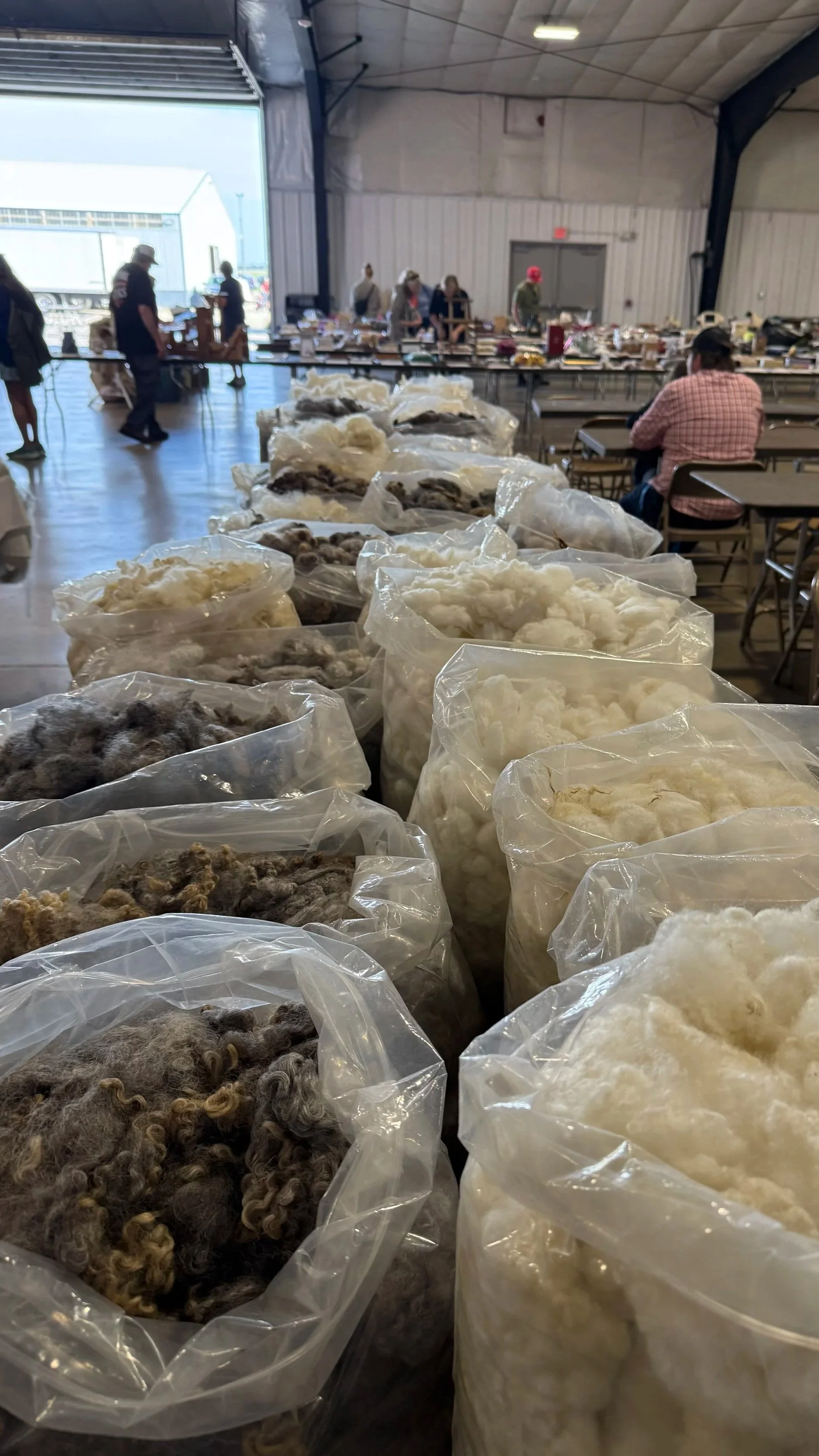
Bags of fleece for sale at Wisconsin Sheep & Wool Festival
The festival gave me a chance to talk to several wool mill owners from the local fibershed region, Three Rivers Fibershed. Every mill owner happily shared their knowledge with me. We talked about what it takes to set up a mill, the kinds of equipment available, and the long hours and hard work required to get started. I was especially excited to talk to a couple of mill owners from Minnesota, Rachel from Rach-al-paca and Theresa Bentz from Get Bentz Farm. Both were incredibly gracious in sharing their experiences with me.
As I talked with people about The Wool Project, I was told several times that currently many wool mills are closing down. However, Margie Schafer from Round Barn Fiber Mill in Duran, Illinois, told me that there is enough work for everyone in the wool milling industry. Even as mills are closing throughout the country, there are also many more opening. Most are closing as a generation of wool processors are retiring, which means the need for more wool mills is increasing!
Wisconsin Sheep and Wool Festival takes place every September, on the weekend after Labor Day, at the Jefferson County Fair Park in Jefferson, Wisconsin.
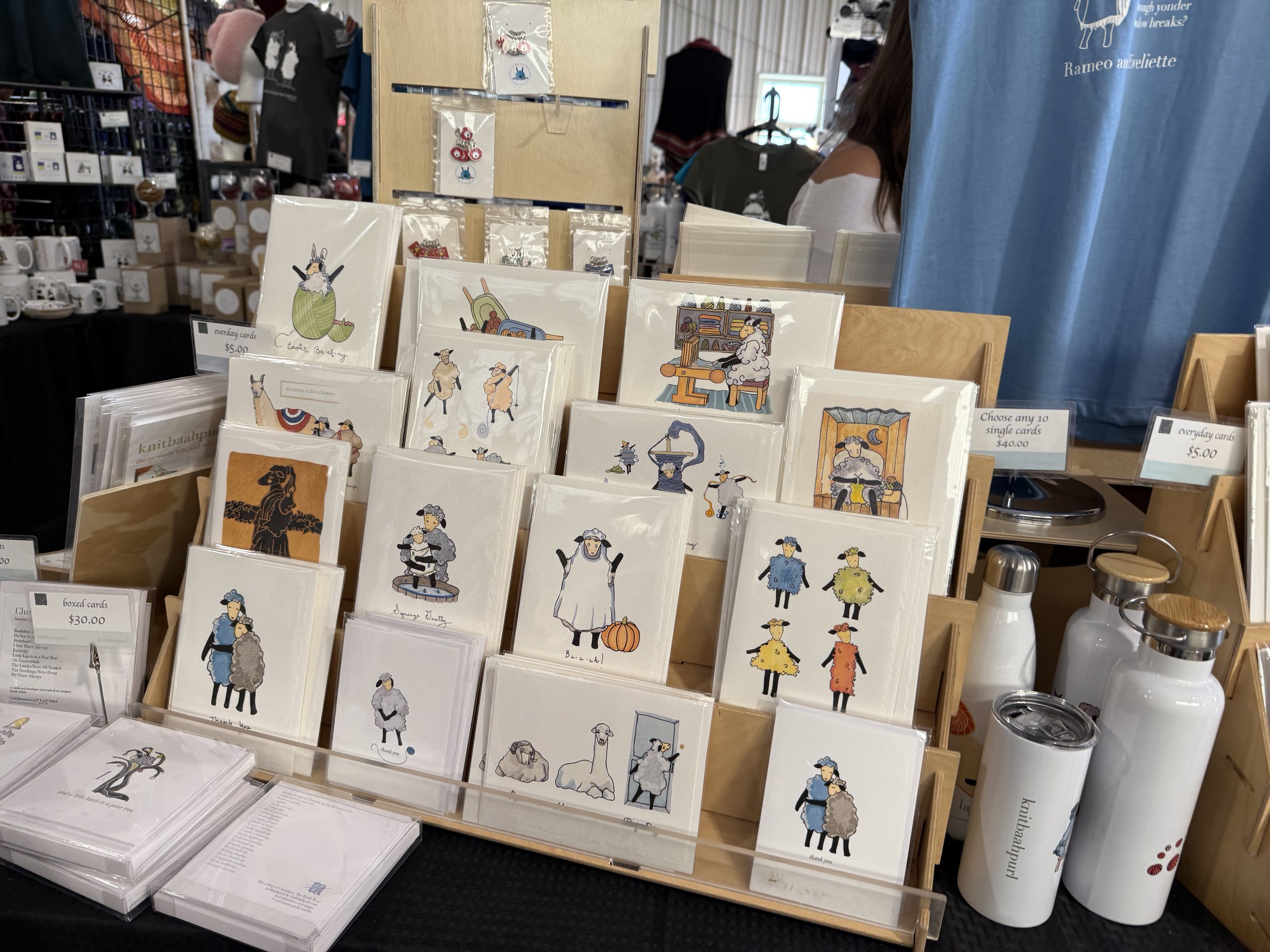
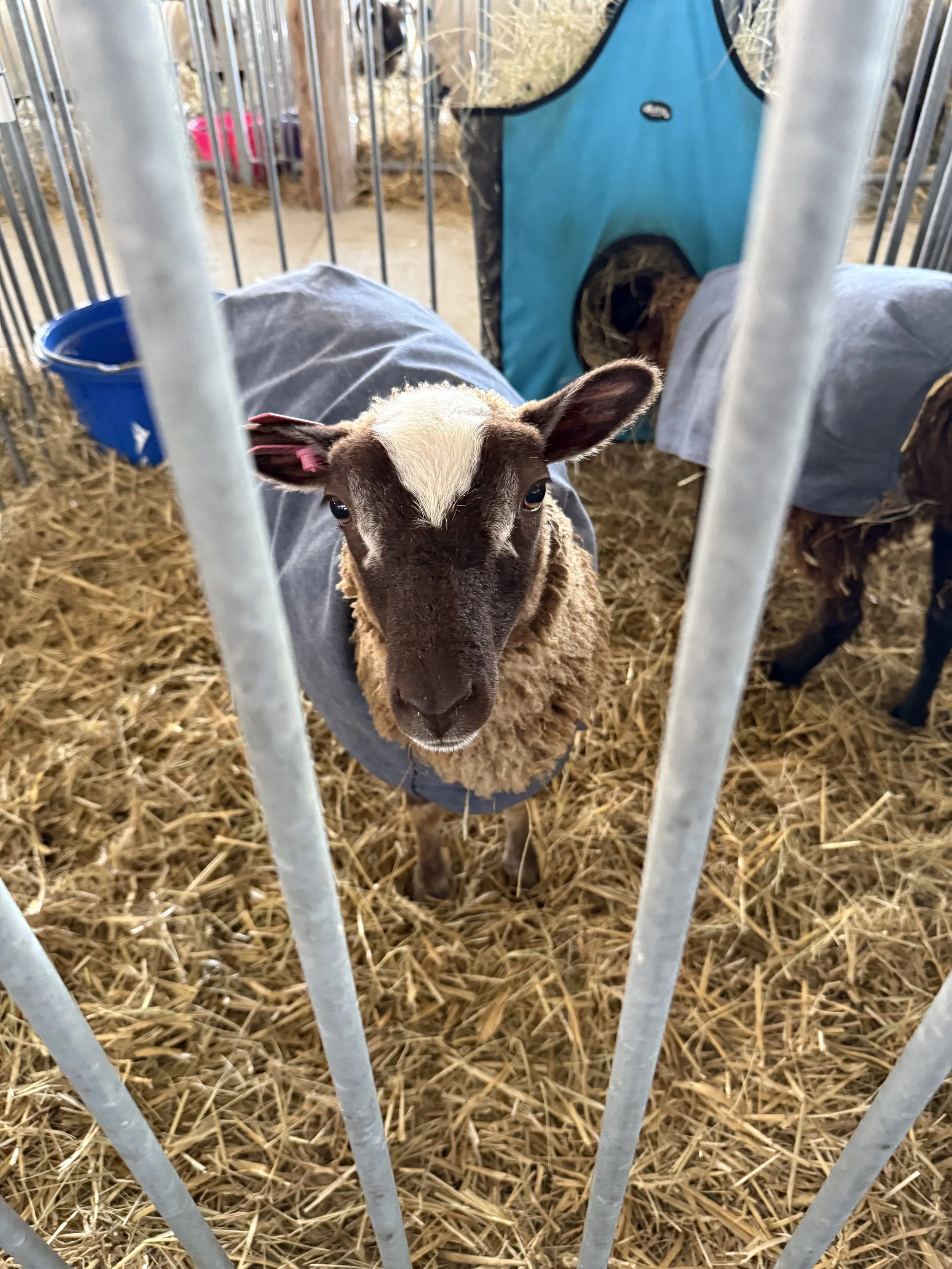
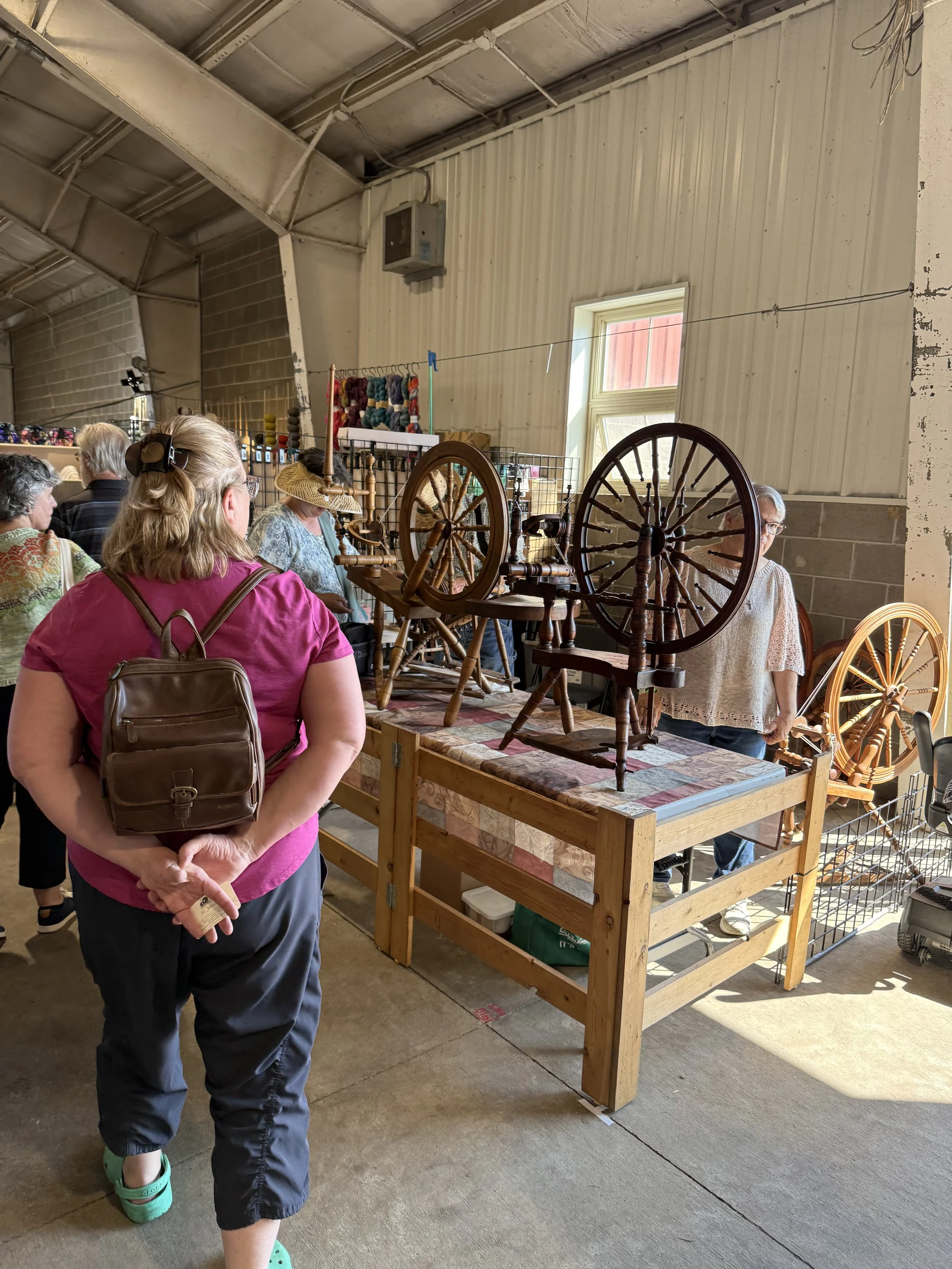
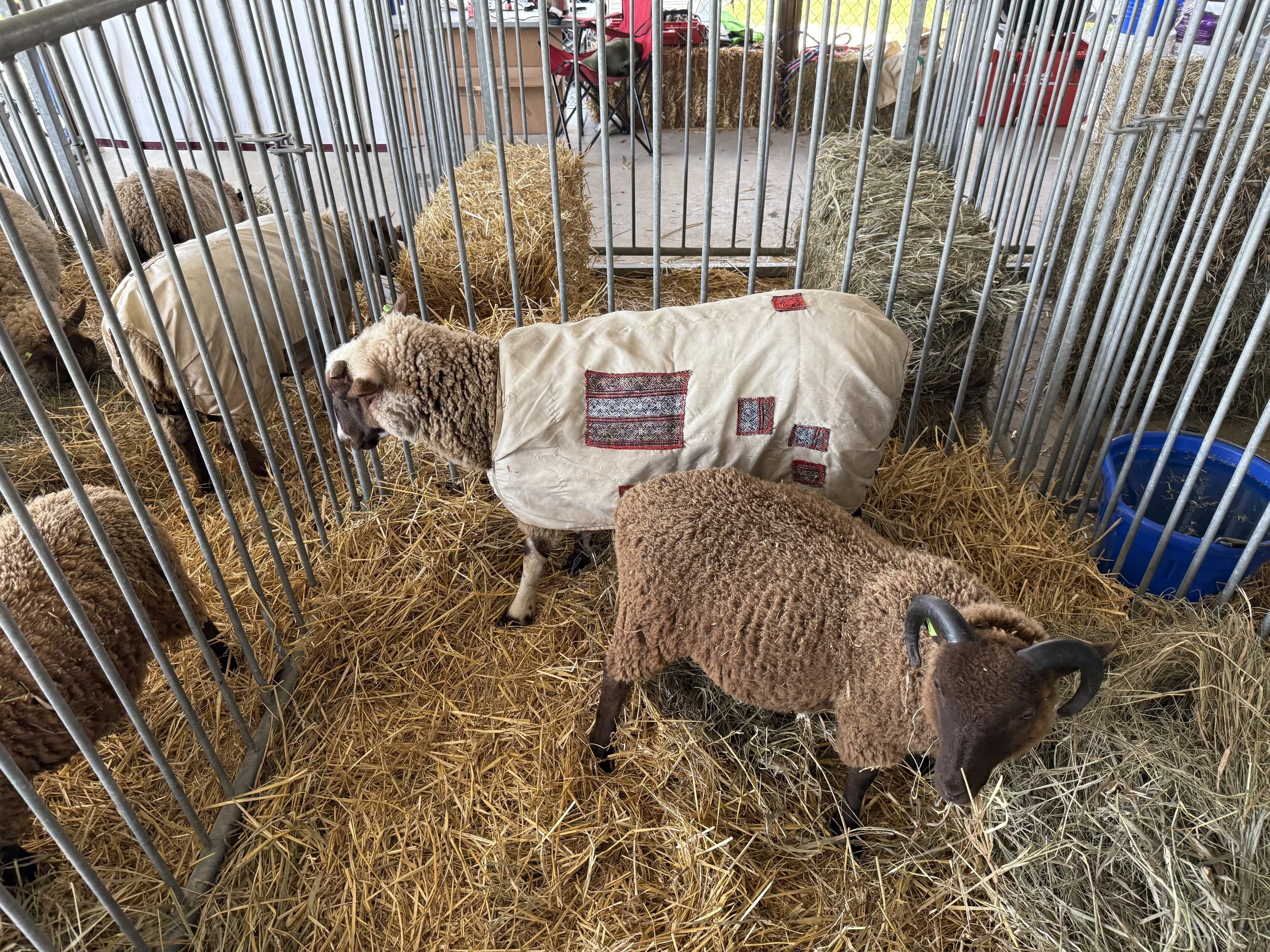
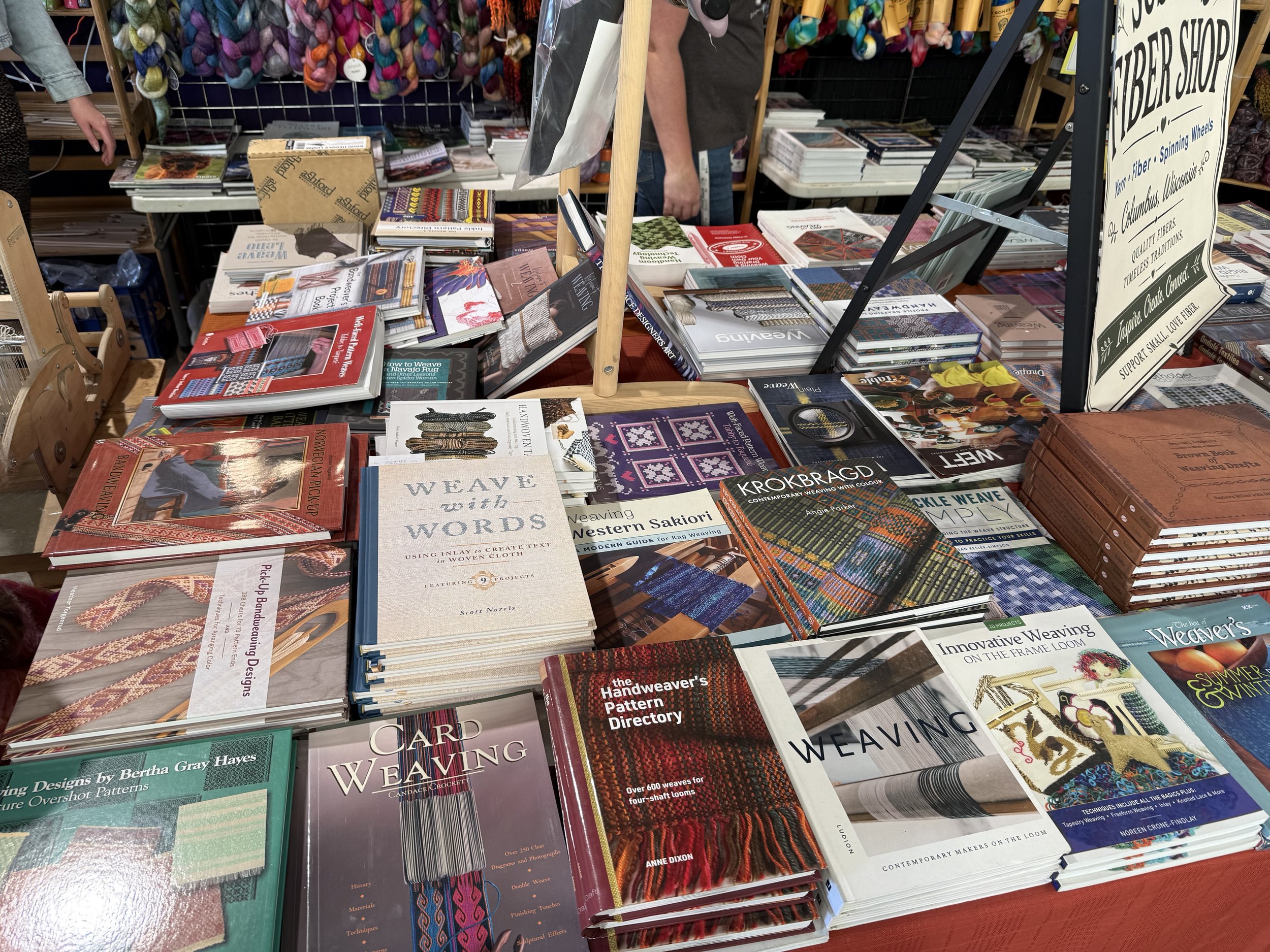
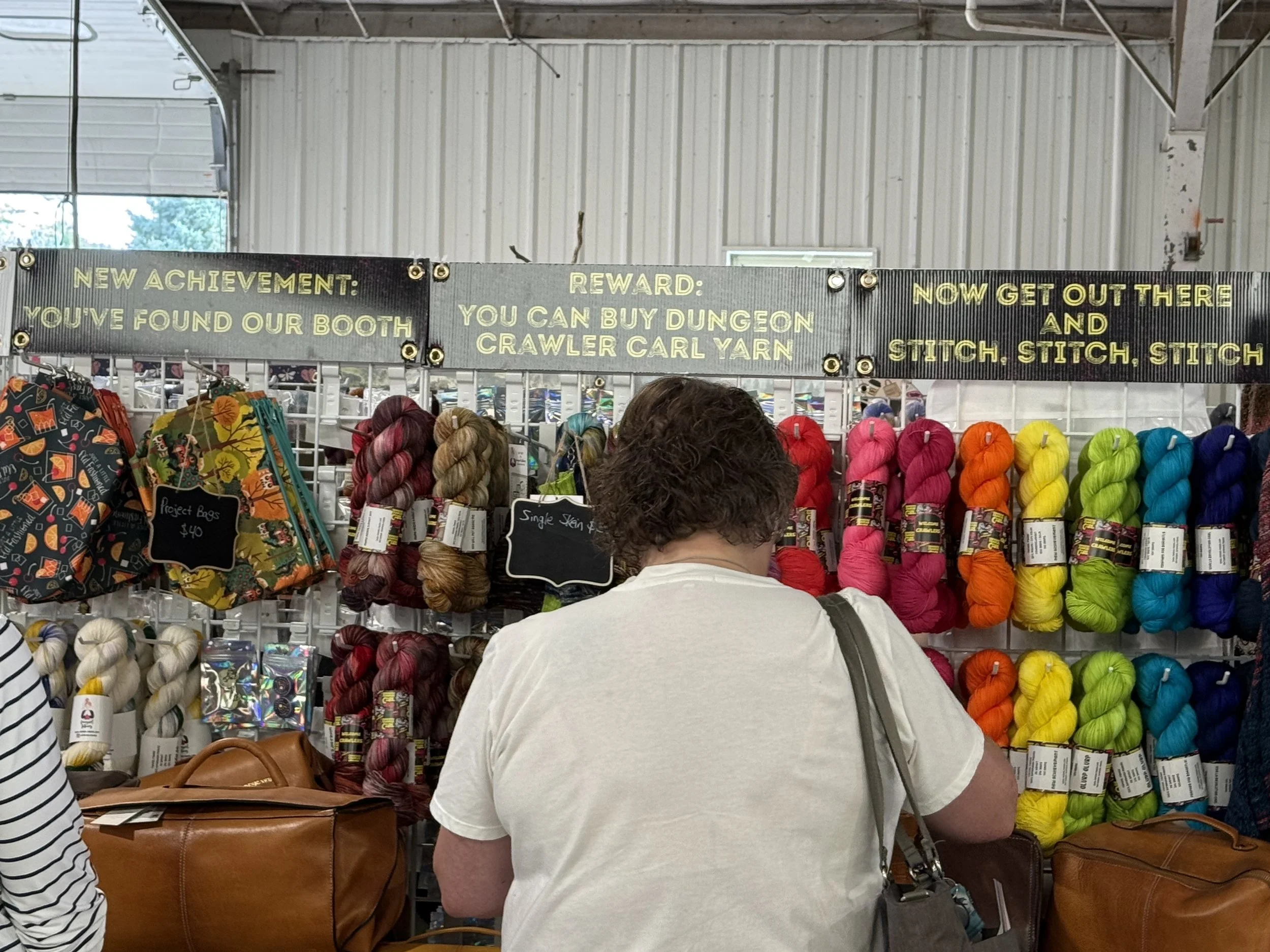
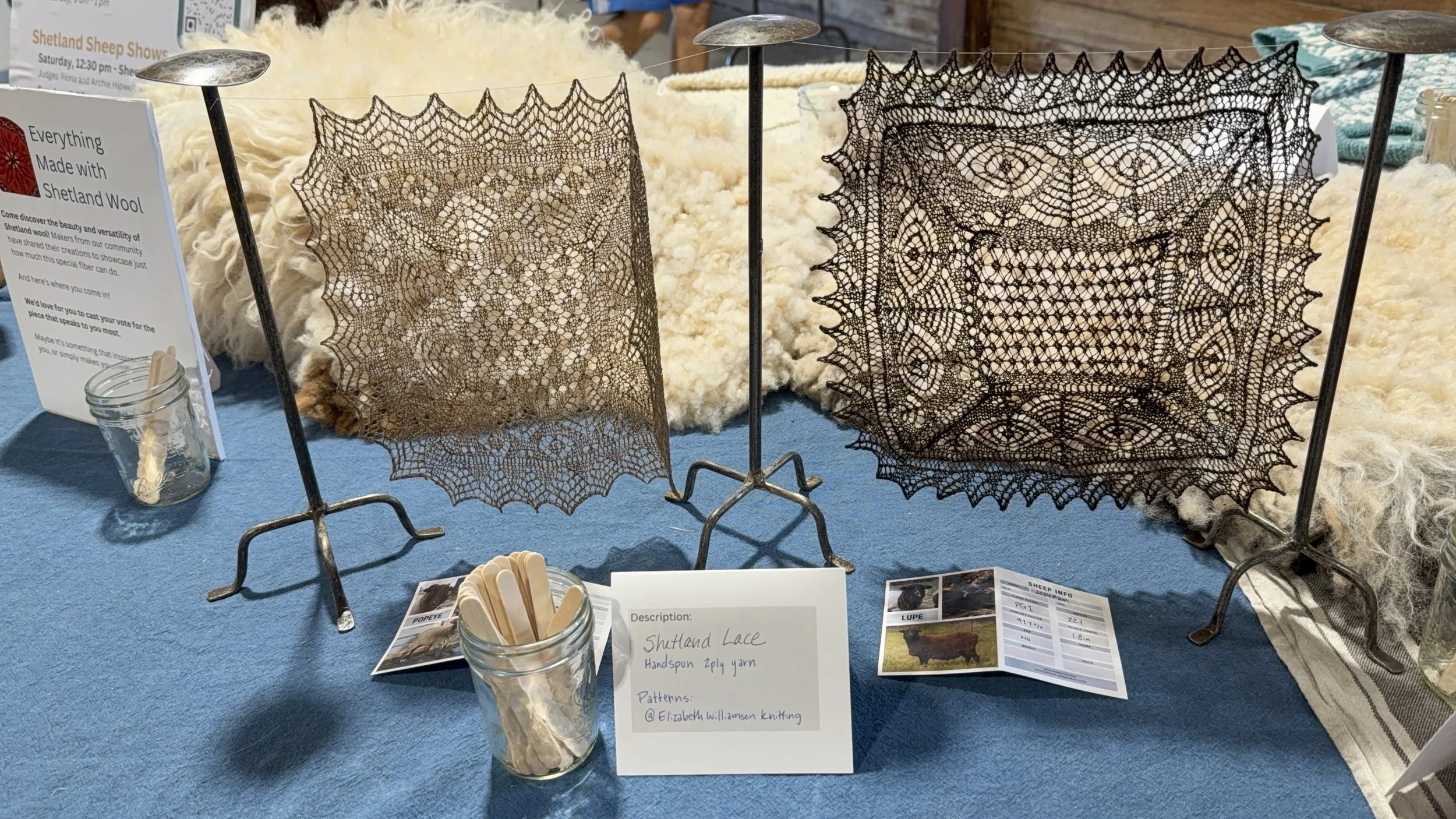
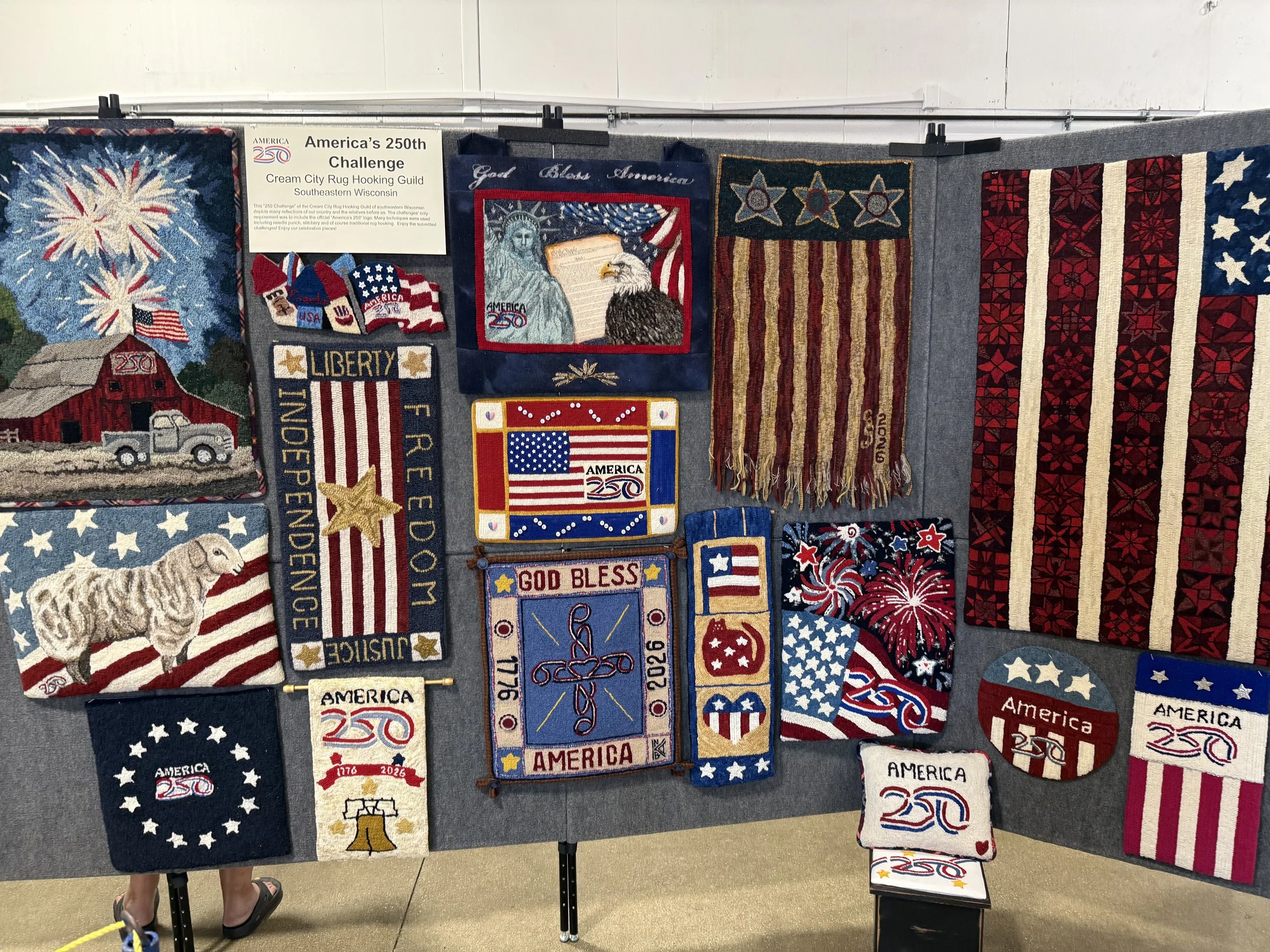
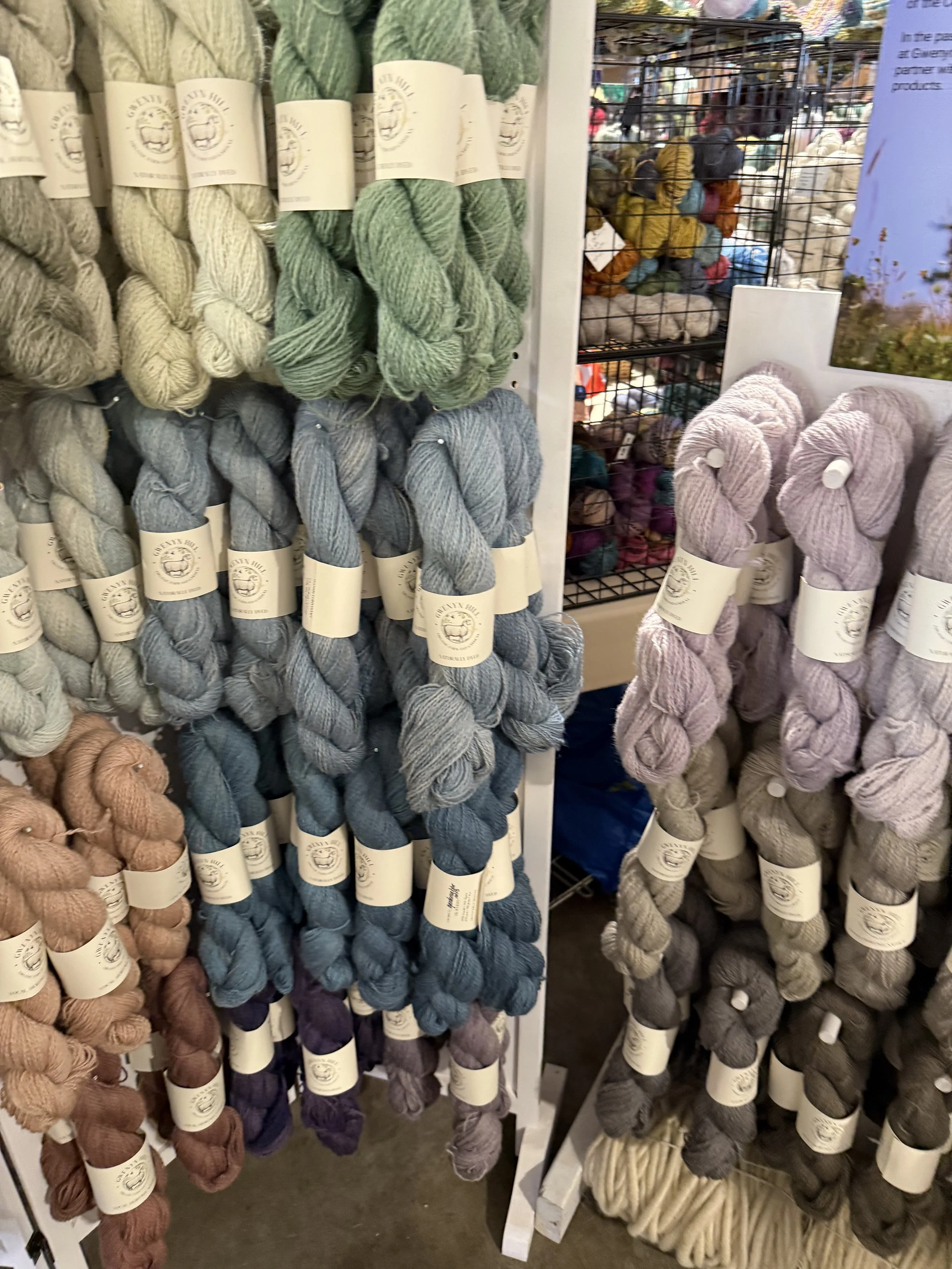
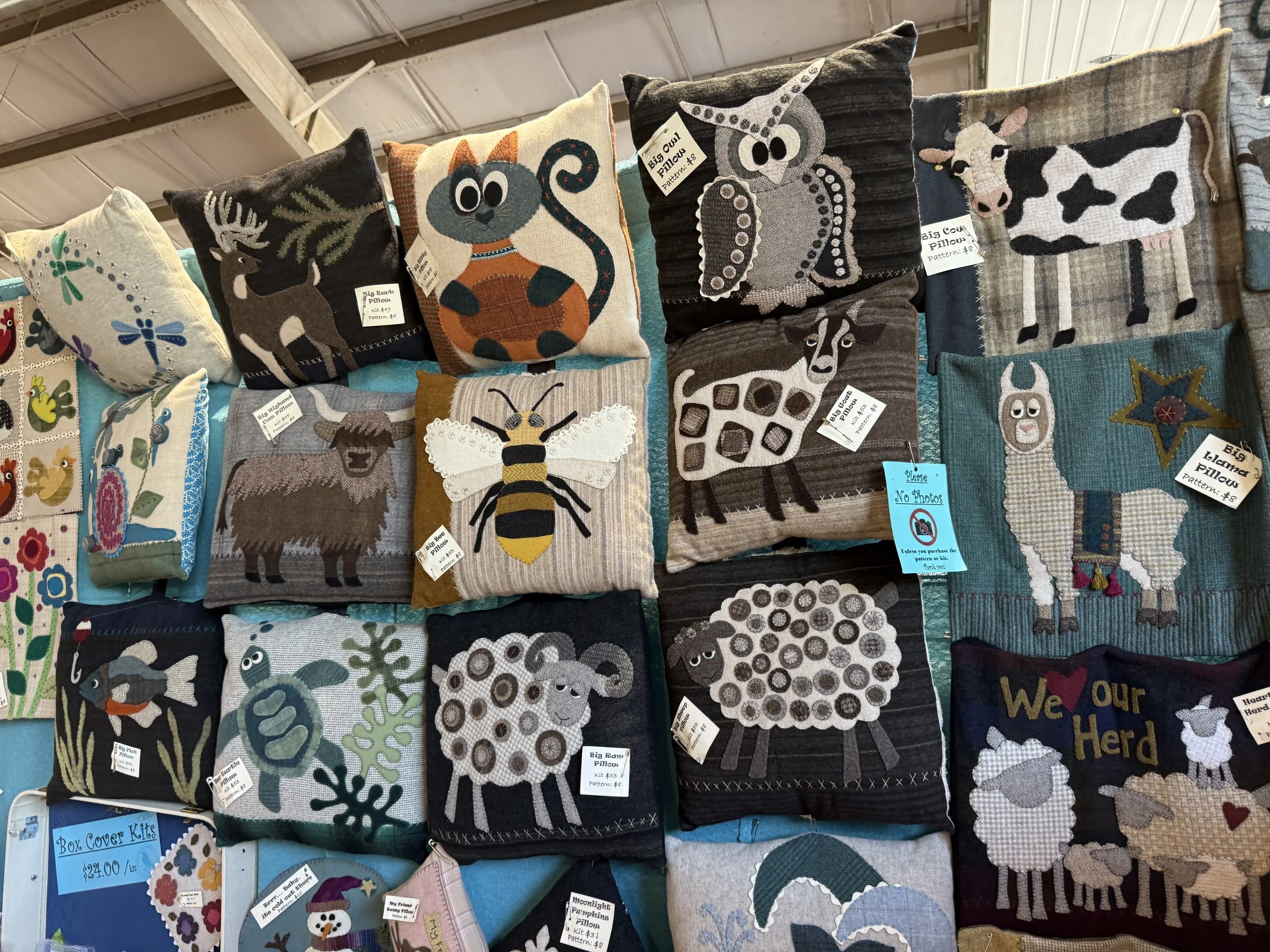
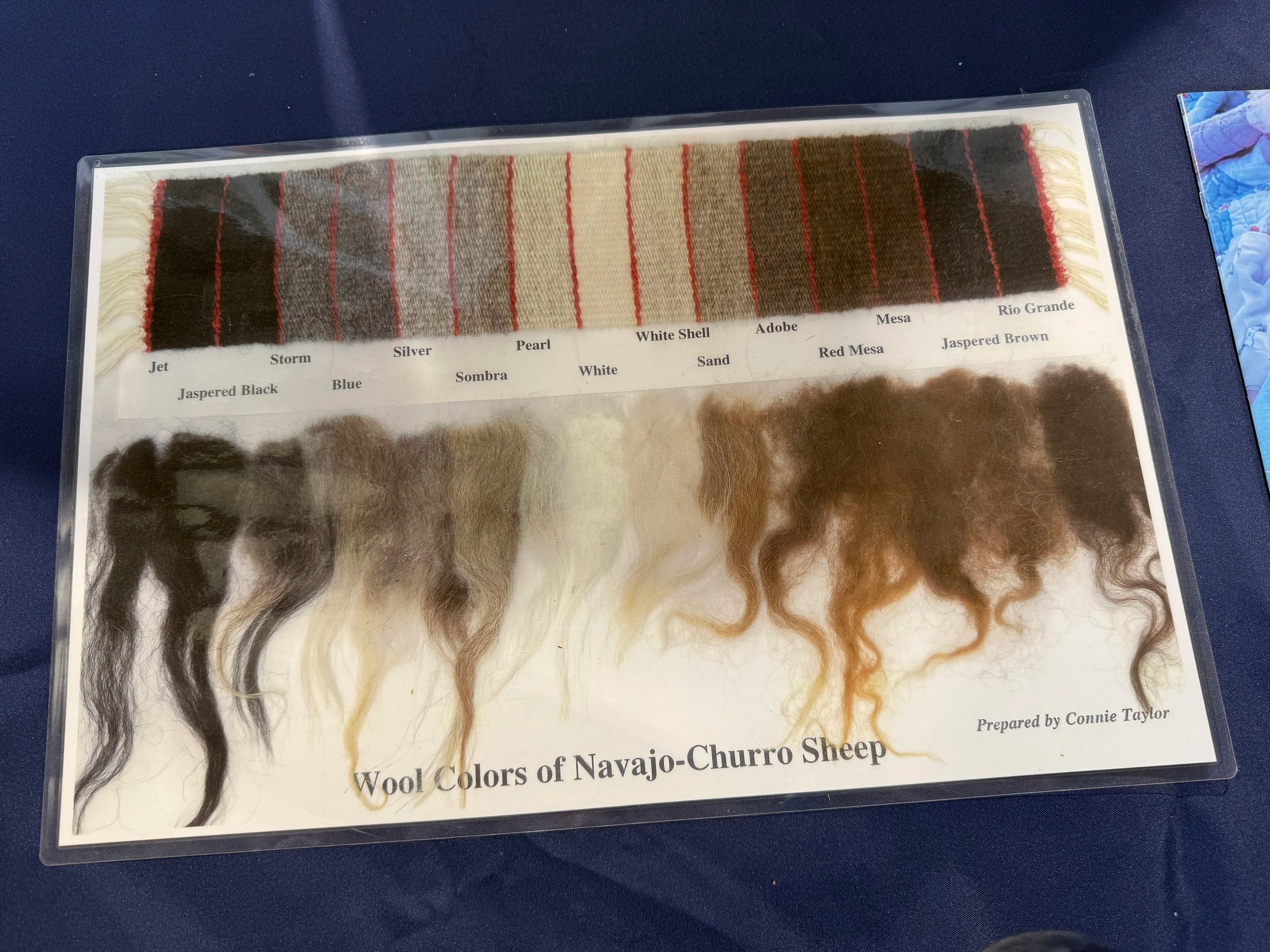
Some more images from Wisconsin Sheep & Wool 2026!