Introduction to The Wool Project
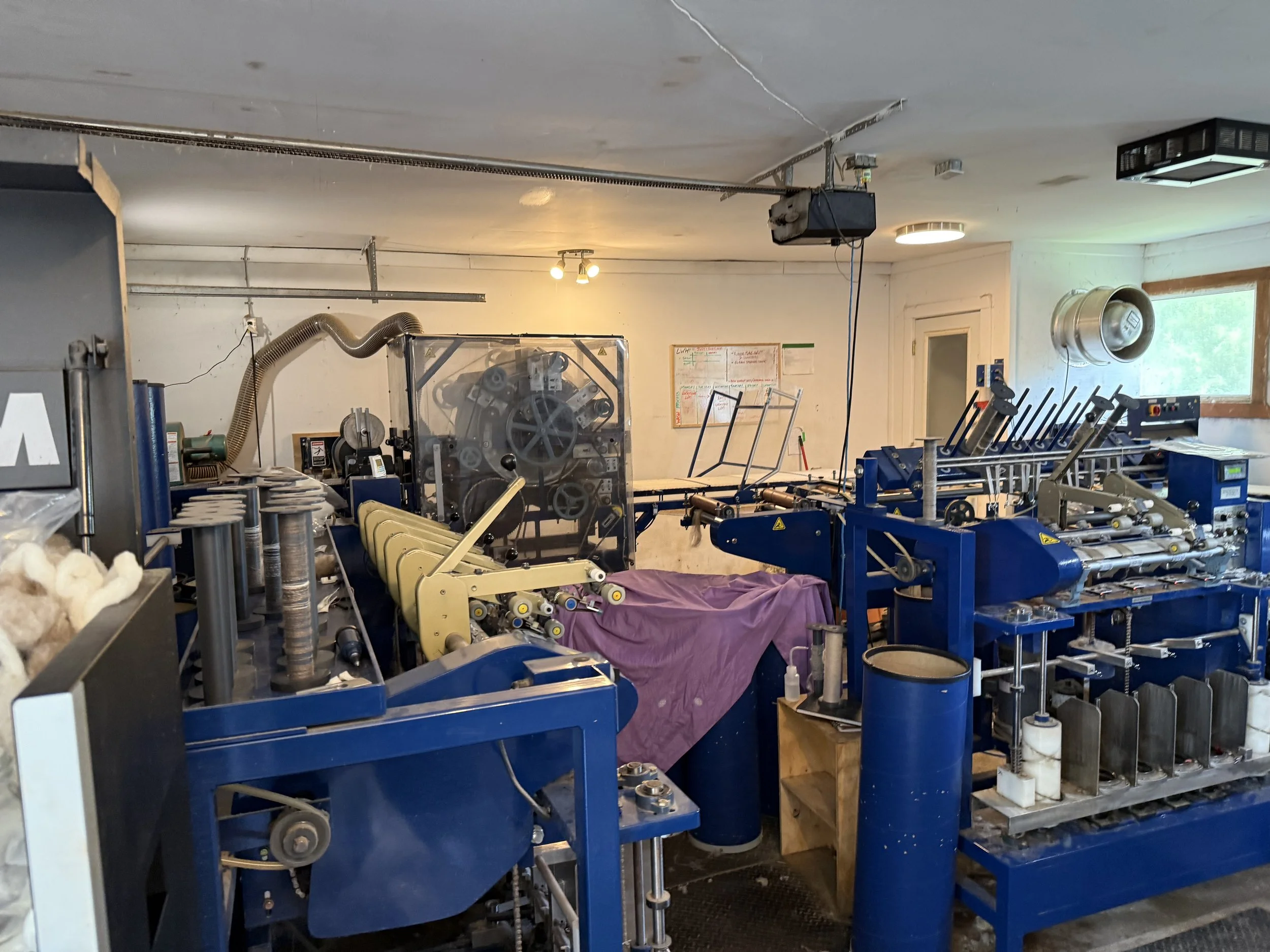
“The goal of The Wool Project is to tell the story of the wool industry in Minnesota, through the voices of those working to reinvigorate the industry, and to educate the public about the potential benefits of localized wool production on humans, animals, and the planet.”
Over the last century, the wool and textile industry in the United States has been decimated. Globalization of manufacturing and the rise of cheap acrylic fibers have led to the closure of wool processing mills and plants throughout the country. They have also led to an unsustainable clothing industry that produces fast fashion, contributes to climate change, and further separates us from the land that supports us.
Sheep must be sheared at least once per year. Today, many sheep farmers raise sheep for the meat and don’t expect to earn much on the wool, but sheep must still be sheared once per year. Most wool from the larger U.S. ranches is collected by wool brokers who ship it to China for processing. Often, it can end up being sold back to the U.S. as yarn, finished garments, or other items such as carpet and blankets. To sell their wool, farmers must have enough to attract a wool broker, and even then, they are paid pitifully small amounts. Smaller scale farms might store their wool for years looking for a buyer or they may turn to learning to process the wool themselves for the artisan fiber market.
Fiber artists work with their hands, creating art, warmth, and comfort from raw materials. Often, they are looking for connection to the land, to history, to the generations that came before them. Many are also looking for ways to slow down, to leave the fast-paced modern world behind, and to live in balance with the natural world. How can we better connect farmers and fiber artists in their separate journeys to rediscover land, balance, and history?